

What Is a Tricycle? A Parent's Guide to This Classic First Ride
Jun 15, 2026
For many parents, buying a child's first tricycle feels like a milestone.
One day your toddler is learning to walk, and before you know it, they're eagerly climbing onto a set of wheels and asking to go faster.
But what exactly is a tricycle?
Today, people use the term to describe many different types of three-wheeled vehicles. Some look like bicycles, some resemble motorcycles, and others are designed for carrying cargo or providing extra stability for adults.
If you're thinking about buying a child's first tricycle, it helps to understand exactly what a tricycle is, how different types work, and whether a tricycle or balance bike is the better choice for your little one.
For parents beginning their search, learning about a first tricycle can make the decision much easier.
What Is a Tricycle?
A tricycle, often shortened to "trike," is a vehicle with three wheels.
The three-wheel design provides greater stability than a traditional two-wheel bicycle, making tricycles easier to balance and control.
That's why tricycles are commonly used by:
- Toddlers and young children
- Older adults
- People with mobility challenges
- Riders who prefer additional stability
While all tricycles have three wheels, they aren't all built for the same purpose.
Some are designed for children's play, while others are built for transportation, exercise, cargo hauling, or long-distance riding.
Simply put, if it has three wheels and is designed for riding, it's likely considered a tricycle.
Different Types of Tricycles
When people ask "what is a tricycle?", they often picture the classic red toddler trike.
In reality, there are several different categories.
1. Kids' Tricycles
Children's tricycles are usually the first type most parents encounter.
These colorful and lightweight kids' tricycles are specifically designed to help toddlers develop:
- Coordination
- Pedaling skills
- Steering control
- Confidence
- Independence
Many models include fun features such as baskets, bells, streamers, and parent handles.
Within this category, you'll find traditional tricycles as well as modern push trikes that allow parents to guide younger children while they learn.
2. Adult Tricycles
Adult tricycles offer extra stability compared to bicycles.
They're popular among older riders and anyone who wants a comfortable, low-stress riding experience.
Many adult trikes include:
- Large comfortable seats
- Storage baskets
- Electric-assist options
- Upright riding positions
These features make them ideal for neighborhood rides and everyday errands.
3. Cargo Tricycles
Cargo trikes are built for carrying loads.
They're commonly used for:
- Deliveries
- Groceries
- Urban transportation
- Family transportation
Some cargo trikes can even transport children safely while providing excellent stability.
4. Recumbent Tricycles
Recumbent trikes position the rider in a reclined seating position.
This design can reduce pressure on:
- The lower back
- The hips
- The knees
- The wrists
They're often favored by long-distance cyclists and individuals with mobility concerns.
Best Toddler Tricycle: 5-in-1 Convertible Toddler Tricycle with Safety Belt
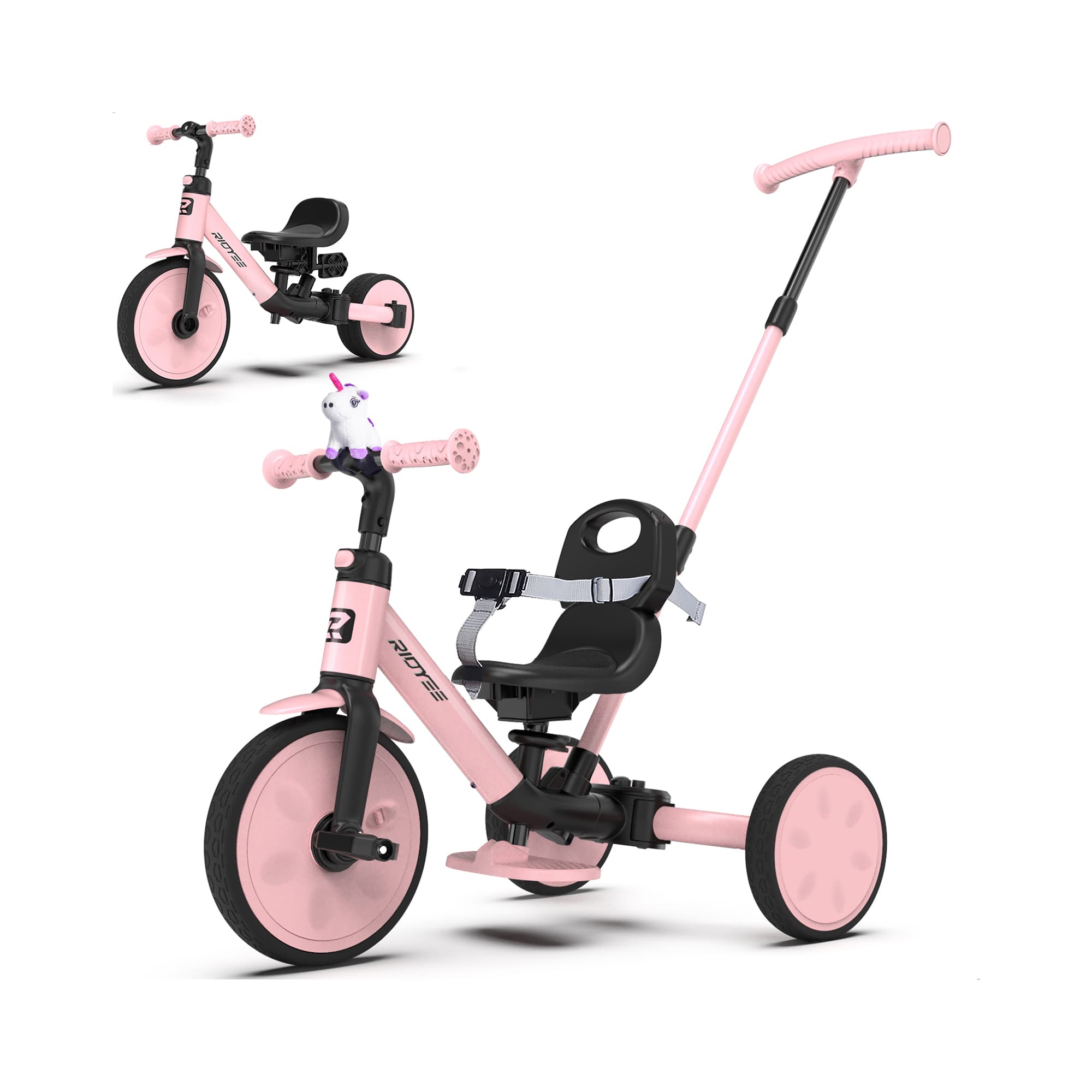
For parents looking for a tricycle that grows alongside their child, the 5-in-1 Convertible Toddler Tricycle with Safety Belt offers impressive versatility.
Designed to Grow With Your Child
One thing parents quickly learn is that toddlers change fast.
This multi-stage tricycle transitions through several riding modes, including:
- Parent-controlled push trike
- Walker
- Balance bike
- Traditional tricycle
- Bicycle-style riding mode
Instead of replacing equipment every year, families can adapt the tricycle as their child develops new skills.
Full Parent Control
The clutch-equipped handlebar and pedals allow parents to maintain complete control when necessary.
That's especially useful when:
- Riding in crowded areas
- Teaching steering skills
- Building confidence
- Managing younger riders
Parents can guide the tricycle while children safely enjoy the ride.
Comfort and Safety Features
The tricycle includes:
- Three-point safety harness
- Removable backrest
- Comfortable padded seating
- 180-degree rotating seat design
These features make outings more enjoyable for both children and parents.
Smart Pedal Storage
Honestly, this is one of those little details that ends up being surprisingly useful.
Instead of worrying about misplaced pedals during mode changes, the removable pedals store neatly beneath the seat.
Everything stays together and ready for the next adventure.
Best Classic Option: Classic Toddler Tricycle with Wide Wheelbase
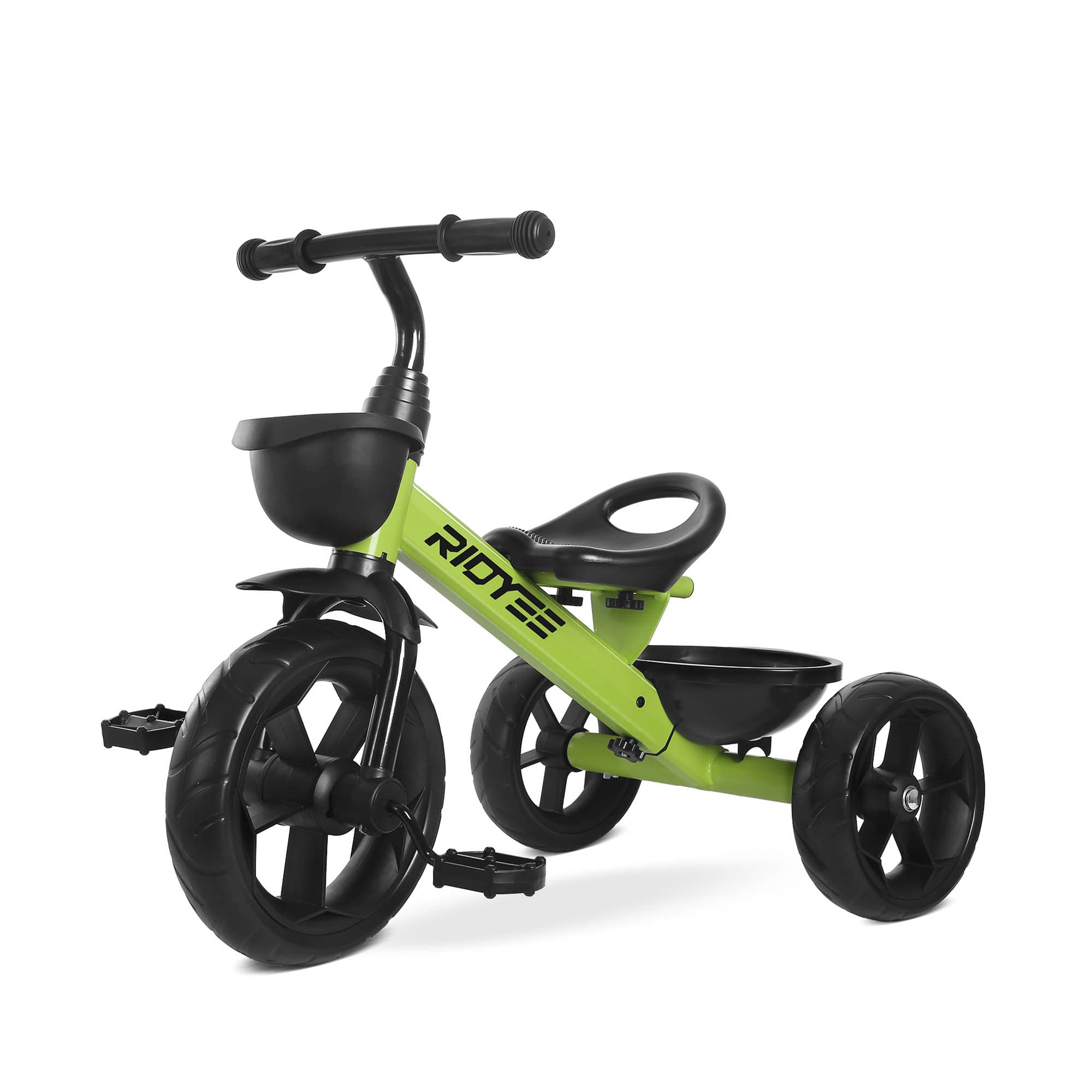
If you're looking for a more traditional riding experience, the Classic Toddler Tricycle with Wide Wheelbase is a strong choice.
Price: $69.99
Excellent Stability
The widened rear wheel spacing and durable carbon-steel triangular frame help reduce tipping risks.
For beginner riders, stability often translates directly into confidence.
Easy for Parents to Carry
A built-in carry handle makes transportation much simpler.
Whether you're:
- Carrying it upstairs
- Loading it into the car
- Bringing it to the park
the lightweight design helps make outings easier.
Convenient Storage Baskets
Children love bringing things with them.
This tricycle includes front and rear storage baskets that can hold:
- Toys
- Snacks
- Water bottles
- Small treasures collected during rides
It may seem like a small feature, but kids absolutely love having their own cargo space.
Tricycle vs. Balance Bike: Which Is Better?
When parents research what is a tricycle, they often end up asking another question:
Should I buy a tricycle or a balance bike?
The truth is that both can be excellent choices.
Benefits of Riding a Tricycle
Greater Stability
The three-wheel design provides excellent balance support.
Children can focus on steering and pedaling without worrying as much about falling over.
Increased Safety
Because tricycles are naturally stable, they generally reduce tipping risks during beginner riding stages.
Accessible for More Children
Tricycles work well for children who are still developing balance and coordination skills.
Built-In Storage
Many models include baskets and storage compartments that add extra fun.
Physical Activity
Pedaling strengthens:
- Leg muscles
- Coordination
- Cardiovascular fitness
- Motor skills
Benefits of Riding a Balance Bike
Balance bikes have become increasingly popular for good reason.
A quality balance bike helps children develop balance naturally before learning to pedal.
Better on Uneven Surfaces
Balance bikes often handle bumps, cracks, and uneven terrain more effectively than tricycles.
Lightweight and Easy to Ride
Because they're lighter, children can usually travel farther and more comfortably.
Longer Useful Lifespan
Many children continue enjoying balance bikes for several years as their confidence grows.
Easier Transition to Pedal Bikes
One of the biggest advantages is that balance bike riders often skip training wheels entirely.
By mastering balance first, transitioning to a regular bicycle becomes much easier.
As many parents discover when choosing a ride-on toy, both tricycles and balance bikes can play an important role in a child's development.
Final Thoughts
So, what is a tricycle?
At its simplest, a tricycle is a three-wheeled vehicle designed to provide greater stability than a bicycle. For toddlers, it's often their first experience with independent riding and outdoor adventure.
Whether you choose a classic tricycle, a convertible push trike, or eventually add a balance bike to your child's collection, the goal is the same: helping your child build confidence, coordination, and a love for being active outdoors.
And honestly, few parenting moments are as rewarding as watching your child proudly pedal away for the very first time.
FAQs
What age is best for a child's first tricycle?
Most children can begin using age-appropriate tricycles between 18 months and 3 years old. Always choose a model that matches your child's size and developmental stage.
Are tricycles safer than bicycles?
For young children, tricycles generally provide greater stability because of their three-wheel design. They reduce the balancing demands that bicycles require.
Is a balance bike better than a tricycle?
Neither is universally better. Tricycles help children learn pedaling, while balance bikes focus on balance and coordination. Many families successfully use both.
Can toddlers use push trikes?
Yes. Push trikes are specifically designed for younger toddlers and allow parents to maintain control while children become familiar with riding.
How long do kids typically use tricycles?
Many children use tricycles from around 18 months until 4 or 5 years old, depending on their size, confidence, and readiness to transition to other ride-on toys.

